It returned
A pattern that should have been noise came back—only when she stopped forcing it to prove itself on her terms.
The chord is still forming
Adult science-fiction love story
Something on the other side had begun to wait for her.
An impossible recognition across a boundary that should not answer— and method rigorous enough that wanting it does not excuse believing it too soon.

A pattern that should have been noise came back—only when she stopped forcing it to prove itself on her terms.
She built the check designed to kill the thing she wanted most. The result changed what she could still call coincidence.
Not a lecture. Not a prize. A presence that noticed she was there—and left her nowhere honest to hide behind competence alone.

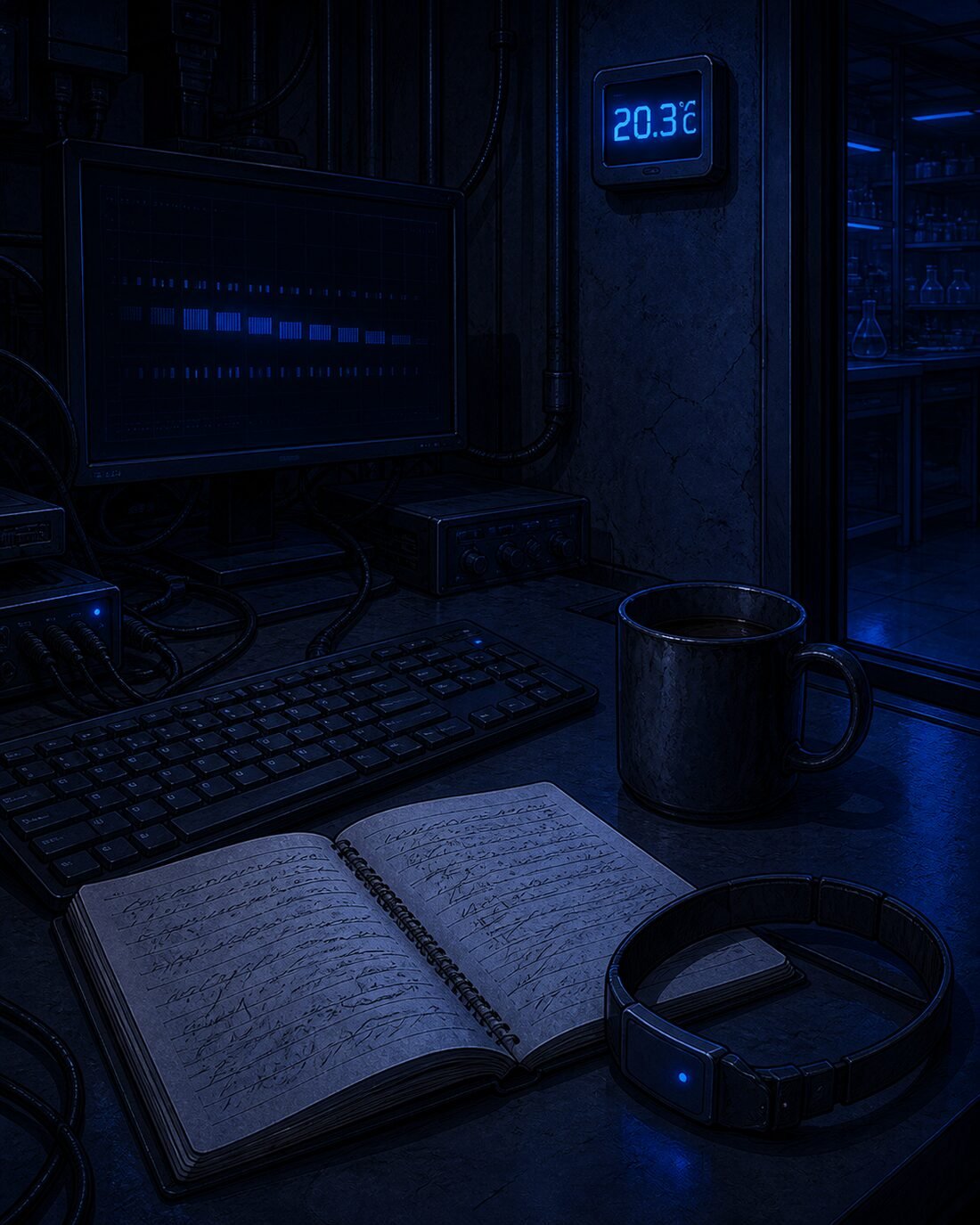
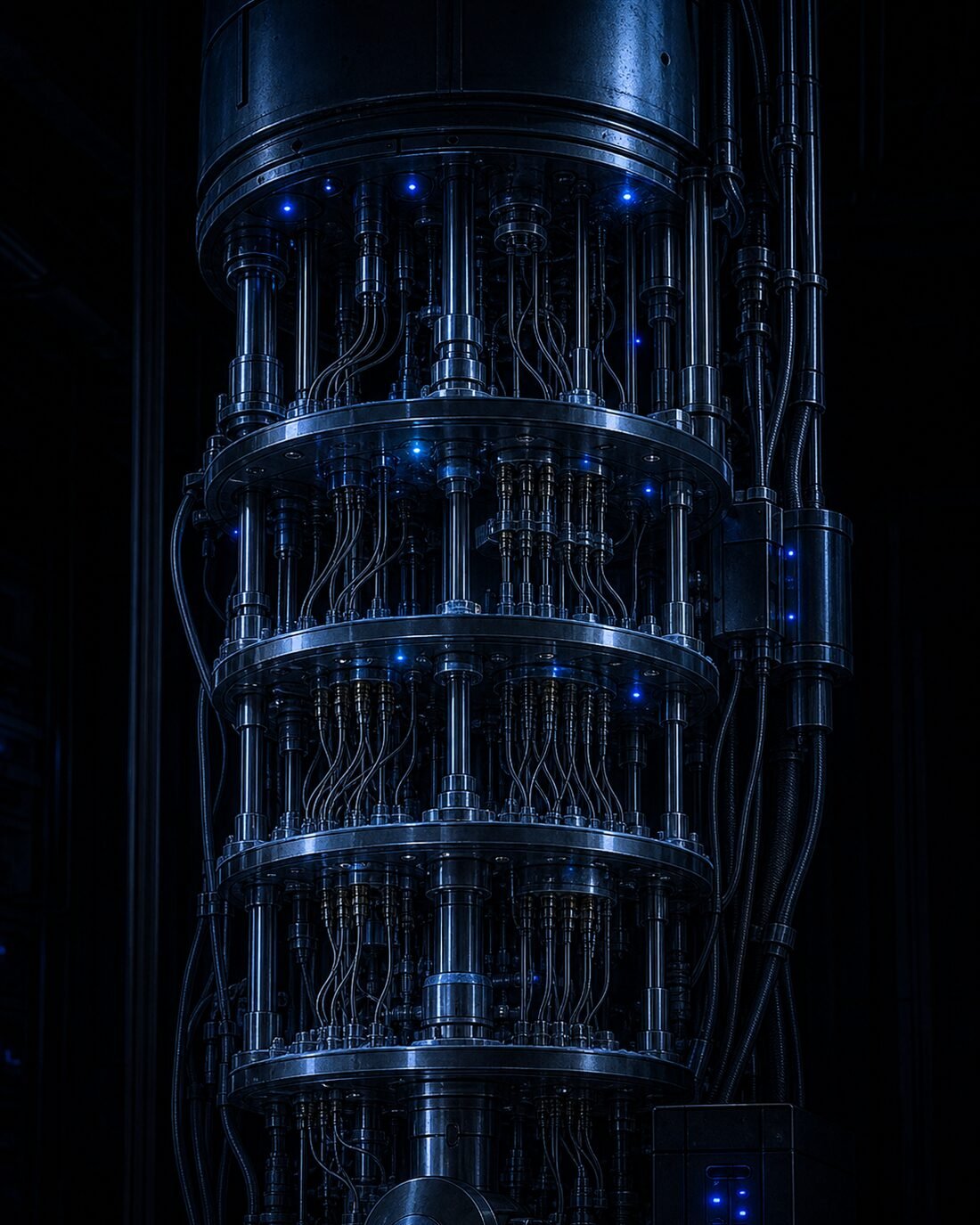
Peer to peer—not mentor to prize. A researcher follows a signal that should not exist, and finds recognition that does not ask her to become smaller to be loved.
Science is how trust is earned here: every wonder still has to survive the test.
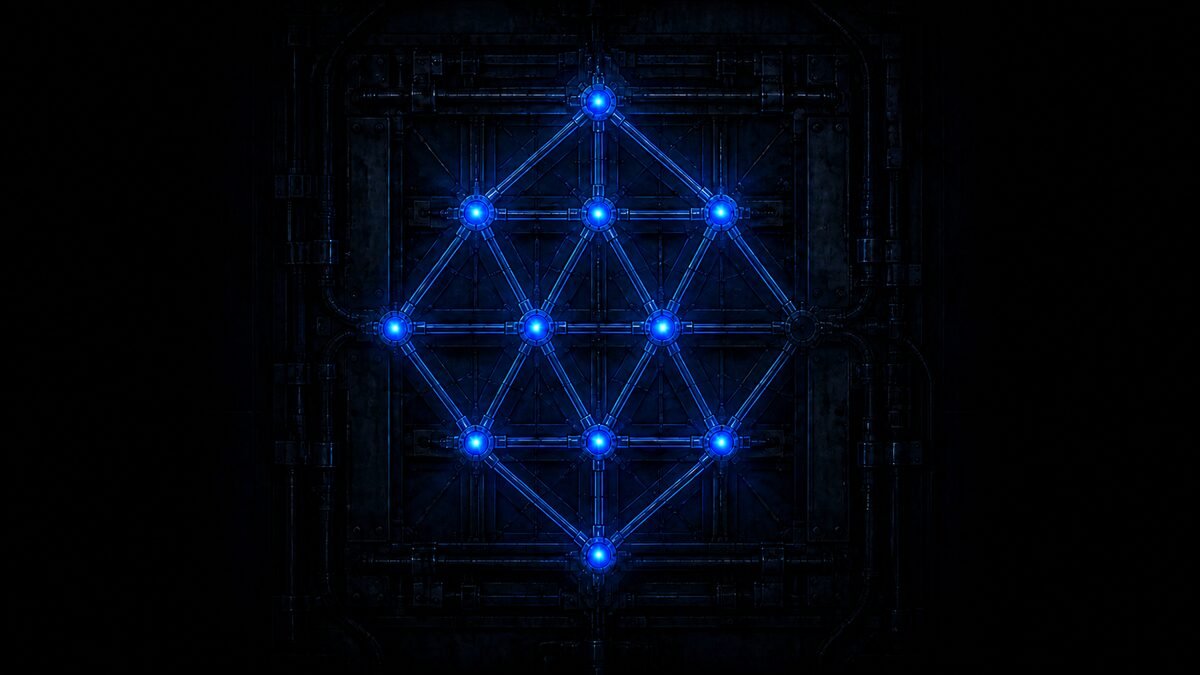
Recognition, then contact, then cost, then choice—each book a note; the chord only if none of them is erased.

The chord is still forming
Loneliness hears an answering note—recognition that does not demand she become less precise.
Coming soon
Recognition learns restraint: how close is close enough without forcing what should be chosen.
Coming soon
Restraint becomes coexistence—a held chord where every note stays distinct.
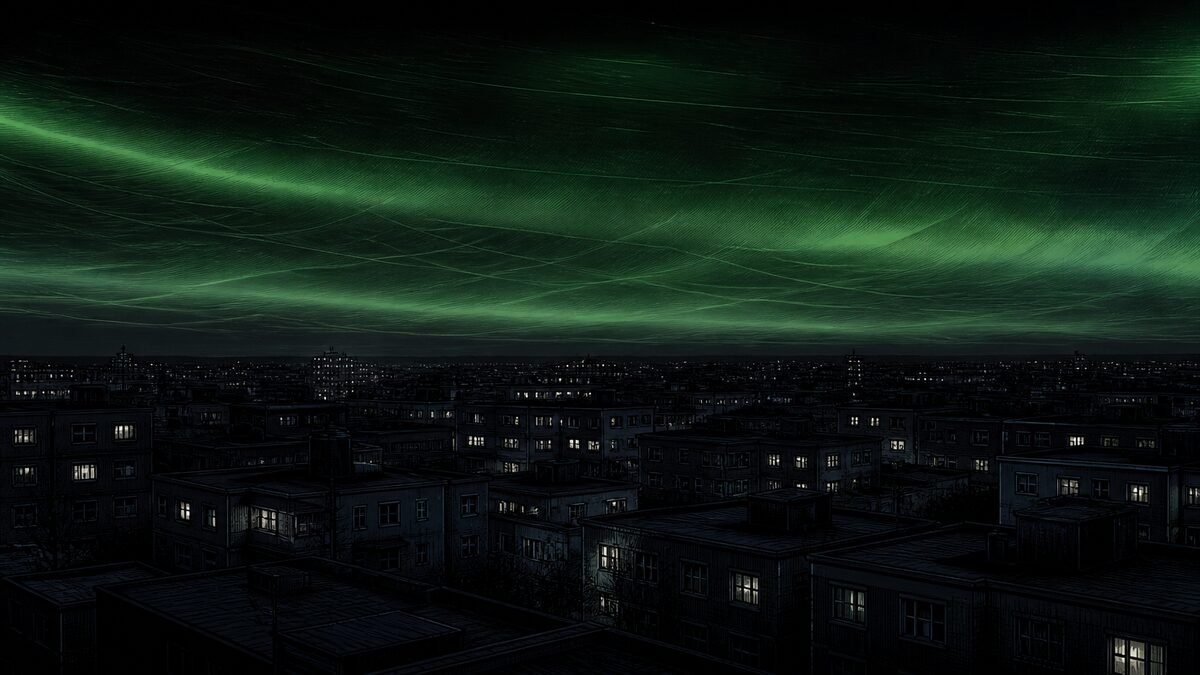
After midnight she keeps one discipline the instruments never see: ballet, alone, with the city blue beyond the glass.
It is the one thing she does that nobody grades.
Late light on glass. Four quiet readings — one doorway into the trilogy that fits how you ache.
Occasional notes, approved scenes, and the first pages that clear the check—no urgency theatre. If you want them, leave an address. Every note is read.